
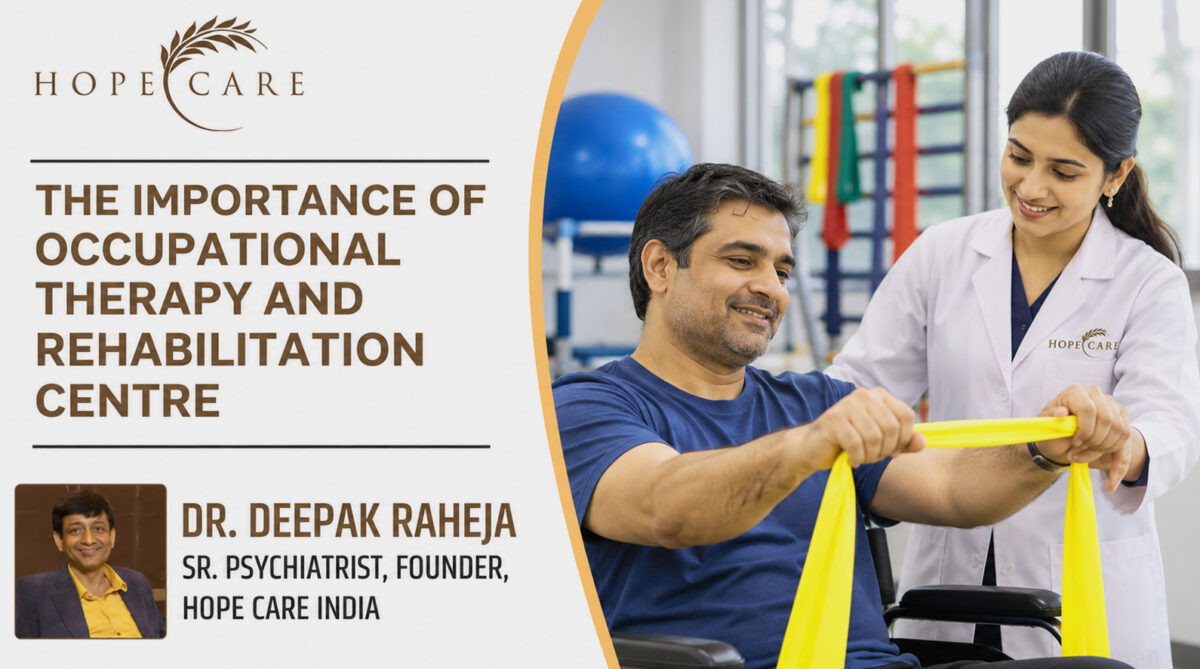
Recovery is about more than reducing symptoms. It can also mean rebuilding the ability to care for yourself, manage everyday responsibilities, connect with others, and take part in activities that give life meaning. Occupational therapy can help people work toward these goals, while a professional rehabilitation centre can provide structured care and support.
For people recovering from an injury, living with a mental health condition, or working through addiction, everyday tasks may feel difficult. With appropriate assessment and a personalised plan, occupational therapy can help break those challenges into manageable steps. This guide explains how occupational therapy works, who may benefit, and what to consider when choosing support.
What Is Occupational Therapy?
Occupational therapy (OT) helps people participate as fully and safely as possible in daily life. In this context, “occupation” means the everyday activities that matter to a person: getting dressed, preparing a meal, studying, working, maintaining relationships, or following a healthy routine.
An occupational therapist assesses a person’s abilities, needs, environment, and goals. Therapy may involve practising daily tasks, developing new strategies, building physical or cognitive skills, and adapting routines or surroundings. The plan should be tailored to the individual and reviewed as their needs change.
Occupational therapy can support physical, mental, and emotional well-being. Making progress with a meaningful task can build confidence and a sense of control. It is not a replacement for medical or psychiatric treatment; it may be one part of a broader care plan.
The Role of a Rehabilitation Centre
A rehabilitation centre can bring several aspects of recovery together in a structured setting. Depending on the person’s needs, care may include medical assessment, therapy, counselling, education, family involvement, and support with routines and daily functioning. Some people may benefit from inpatient care, while others may receive outpatient support.
A professional centre should begin by understanding the person’s health, circumstances, strengths, and goals. That information helps the care team recommend suitable services and coordinate treatment. Rehabilitation is not a one-size-fits-all process: progress and the right level of support vary from person to person.
A Rehabilitation Centre in India may offer different services depending on its staff and facilities. Before beginning treatment, ask which professionals will be involved, what therapies are available, how the plan will be reviewed, and what support is offered after a programme ends.
Occupational Therapy Benefits
The Occupational Therapy Benefits a person experiences depend on their needs and treatment goals. Therapy may focus on skills, strategies, and habits that make everyday life more manageable.
Building practical skills and independence
A therapist may help a person practise activities such as dressing, grooming, preparing food, organising belongings, or following a daily schedule. Tasks can be adapted or taught in smaller steps, with the aim of supporting greater independence where possible.
Improving movement and coordination
When appropriate to a person’s condition, therapy may include activities that work on coordination, balance, strength, or fine motor skills. These goals should be assessed and guided by a qualified professional, particularly after an injury or illness.
Supporting confidence and participation
When daily tasks become more manageable, people may feel more confident about returning to school, work, hobbies, or family responsibilities. Therapy can also help identify reasonable adjustments and practical ways to take part in activities safely.
Developing routines and problem-solving strategies
A consistent routine can help a person manage energy, appointments, household tasks, and rest. Occupational therapy may also help people recognise obstacles and find strategies to work around them, rather than expecting them to manage everything at once.
Occupational Therapy for Mental Health
Occupational Therapy for Mental Health focuses on how emotional and psychological difficulties affect everyday functioning. Stress, anxiety, depression, and other mental health challenges can disrupt sleep, concentration, self-care, relationships, work, or study. An occupational therapist may help a person identify which activities are difficult and set realistic goals to re-engage with them.
Support might include planning a manageable daily routine, practising coping strategies, gradually returning to meaningful activities, or finding ways to reduce barriers at home, school, or work. These approaches are individualised and should complement care from mental health professionals, such as a psychiatrist or psychologist, when needed.
If someone is at immediate risk of harming themselves or another person, contact local emergency services or seek urgent professional help. Occupational therapy is not a substitute for crisis care.
Occupational Therapy and Addiction Recovery
Addiction can affect health, relationships, responsibilities, and a person’s daily structure. During Addiction Rehabilitation, therapeutic activities and routines may help individuals rebuild practical skills and reconnect with constructive ways of spending time.
Occupational therapy may support goals such as organising a day, practising self-care, exploring healthy interests, and preparing for responsibilities outside a treatment setting. Meaningful activity can be part of recovery, but it does not replace medical assessment, counselling, or other recommended addiction treatment. Alcohol or drug withdrawal can involve serious risks; anyone considering stopping should seek advice from a qualified healthcare professional rather than attempting a medically supervised detox alone.
Continuing support after a structured programme may also be important. A plan for follow-up care, family support, and managing challenges can help a person navigate the transition back to everyday life.
Who May Need Occupational Therapy?
Occupational therapy may be considered for people who have difficulty carrying out everyday activities because of:
- Physical injuries, surgery, or illness
- Neurological conditions that affect movement, memory, or coordination
- Mental health conditions that disrupt routines or participation
- Alcohol or drug addiction and its effects on daily functioning
- Developmental, cognitive, or age-related difficulties
- Changes in independence, self-care, work, study, or family roles
Whether OT is suitable depends on an individual assessment. A doctor or another qualified health professional can help determine what services may be appropriate.
Why Professional Guidance Matters
Safe and effective rehabilitation depends on appropriate assessment and the right expertise. Qualified occupational therapists can identify functional needs and set relevant therapy goals. Psychiatrists and psychologists may assess and treat mental health conditions, while other healthcare professionals may be involved according to the person’s medical needs.
A supportive environment matters too. People are more likely to engage in care when they are treated with dignity, have their concerns heard, and understand the purpose of their treatment. Progress can take time, and setbacks do not necessarily mean that recovery has failed. Treatment plans should be reviewed and adjusted as needed.
Choosing the Right Rehabilitation Centre
When comparing centres, consider the following:
- Professional expertise: Ask which qualified professionals provide or supervise each service and how care is coordinated.
- Personalised treatment: Look for an individual assessment and goals that reflect the person’s needs, preferences, and circumstances.
- Safe, respectful care: Ask how the centre supports privacy, dignity, and safety.
- Range of services: Check which medical, psychological, therapeutic, and rehabilitation services are actually available.
- Family involvement: Ask whether and how families can participate, with the individual’s consent.
- Aftercare planning: Find out what follow-up support or referrals may be available after a programme.
- Clear communication: A centre should explain its approach, expected costs, admission process, and limits of care.
Avoid choosing a provider based only on claims of guaranteed results. Recovery is individual, and no responsible service can promise a particular outcome.
How HopeCare India Supports Mental Health and Rehabilitation
HopeCare India describes itself as a psychiatric centre and mental wellness organisation offering support for mental health concerns and addiction. Its website states that Institute Hope has provided residential treatment programmes since 2005 and refers to integrated care, inpatient and outpatient services, and skill-training activities. Services and suitability can vary, so contact the centre directly to ask whether occupational therapy is available for your needs and how it would fit into a treatment plan.
Frequently Asked Questions
What does an occupational therapist do?
An occupational therapist assesses how a person manages daily activities and helps them work towards practical goals. This may involve practising tasks, developing strategies, establishing routines, or adapting activities to suit the person’s abilities.
Is occupational therapy only for physical injuries?
No. Occupational therapy may support people whose everyday functioning is affected by physical, neurological, cognitive, or mental health challenges. It may also be considered as part of a wider addiction recovery plan.
Can occupational therapy treat anxiety or depression?
Occupational therapy can support daily routines and participation for people experiencing anxiety or depression. It does not replace diagnosis or treatment by a qualified mental health professional, and it may work best as part of coordinated care.
How long does occupational therapy take?
There is no single timetable. The duration depends on a person’s needs, goals, progress, and wider treatment plan. A therapist can discuss likely next steps after an assessment.
How do I choose a rehabilitation centre?
Ask about professional qualifications, assessment and treatment planning, safety, available services, family involvement, costs, and aftercare. Confirm that the centre can meet the individual’s specific needs before making a decision.